
 More fish recipes
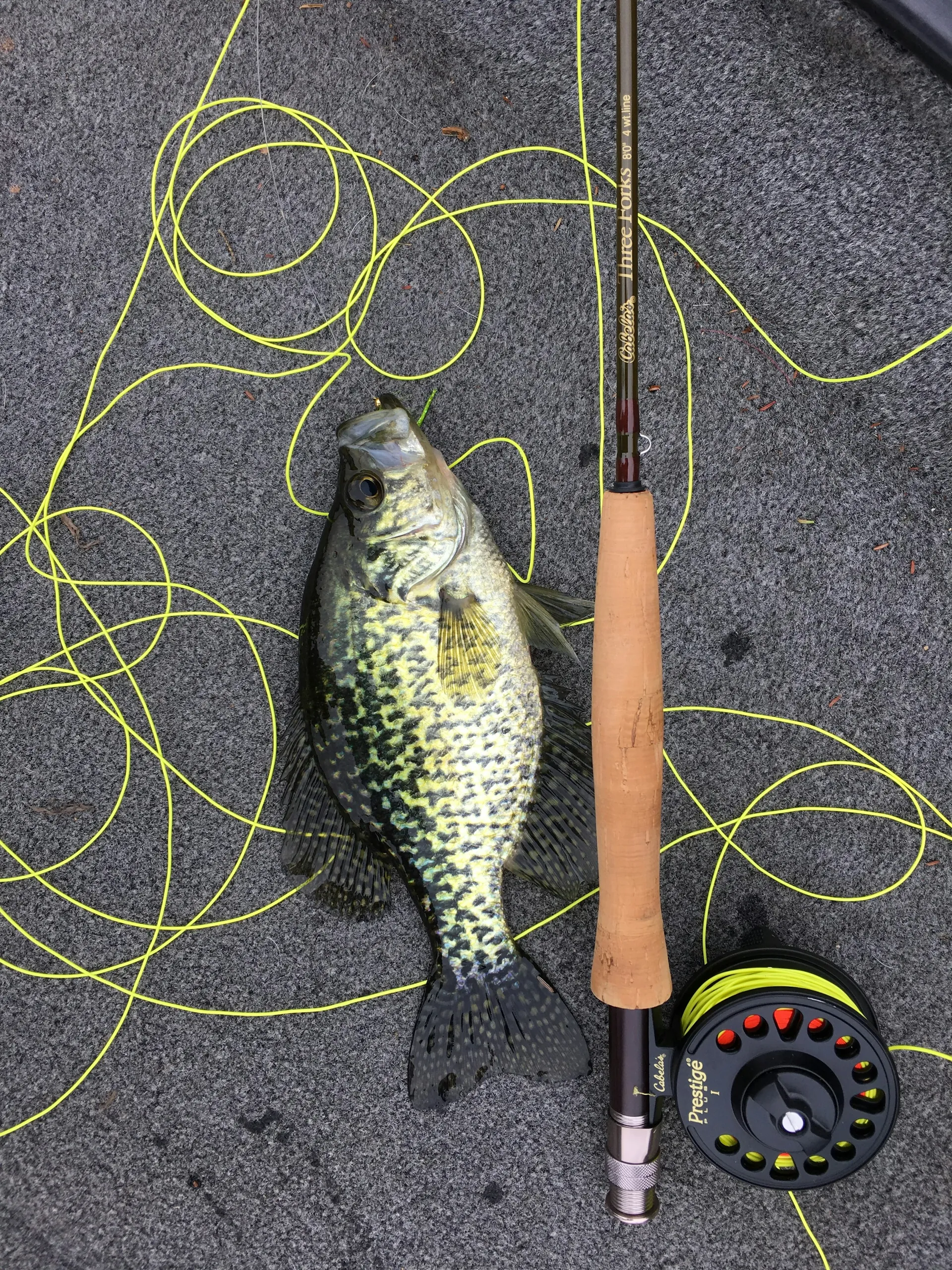
Crappie fillets, skinless
Beer-Battered Crappie
Crappie fillets in a light, crisp beer batter, fried in a Dutch oven and served with lemon and tartar sauce.
- Serves
- 4
- Hands-on
- 45 min
- Total
- 55 min
- Skill
- Some experience
Cooks on: Stovetop · Dinner
Ingredients
- 2 lbCrappie fillets, skinless, rib bones trimmed
- 1¼ cupsFlour, divided
- 1Lemon, cut into wedges
- 1½ tspSalt, divided, plus a pinch for finishing
- ½ tspBlack pepper, ground
- 1 cup very cold beer, such as a lager or pilsner, plus a splash more if needed
- ¼ cup cornstarch
- 1 tsp baking powder
- 1 tsp paprika
- 6 cups canola oil, for frying
- ½ cup tartar sauce
You'll need
- Stovetop
- Dutch oven
- Instant-read thermometer
- Sheet pan with wire rack
Contains
Fish, Gluten, Egg. Most beer is brewed from barley and contains gluten. The batter has no egg; tartar sauce usually contains egg. Tartar sauce usually contains egg and can contain soy or mustard. Check the beer and tartar sauce labels.
Method
- Pour the canola oil into the Dutch oven (no more than one third full) and heat over medium-high heat to 375°F, checking with the thermometer.
- Pat the crappie fillets very dry and season with ½ tsp of the salt and the pepper. Dredge them in ½ cup of the flour and shake off the extra.
- Only when the oil is hot, whisk the remaining ¾ cup flour with the cornstarch, baking powder, paprika and remaining 1 tsp salt. Pour in the cold beer and stir just until no dry flour remains; a few small lumps are fine. It should coat a fillet like thin pancake batter; add a splash more beer if it is thick. Overmixing or letting it sit makes a heavy, bready crust.
- Dip a few fillets in the batter, let the extra drip off, and lower them into the oil away from you, laying each one in rather than dropping it. Fry in batches without crowding, 2 to 3 minutes, turning once, until deep golden. Crappie fillets are thin and cook through in about the time the batter browns: the fish should be opaque and flake easily, and the thickest fillet reads 145°F.
- Lift onto the wire rack set in the sheet pan and sprinkle with a pinch of salt right away. Let the oil come back to 375°F between batches. Throw away any leftover batter.
- Serve hot, as the batches come out, with the lemon wedges and the tartar sauce.
When it's done: 145°F
Federal guidance: 145°F, or until the flesh is no longer translucent and separates easily with a fork.
If it goes wrong
- Greasy batter
- The oil cooled. Fry fewer pieces at a time and wait for it to return to 375°F.
- Heavy, bready crust
- The batter was too thick or overmixed. Thin it with cold beer and stir it as little as possible.
- Batter browning before the fish is cooked
- The oil is too hot. Lower the heat to 350°F to 365°F.
- Batter not sticking
- Dry the fillets well and do not skip the flour dredge.
- Crust going soft
- The fish sat on paper towels or in a covered dish. Drain on the rack and serve right away.
Leftovers. Keep fish at 40°F or below until cooking. Eat right away; refrigerate leftovers within 2 hours and reheat to 165°F.